

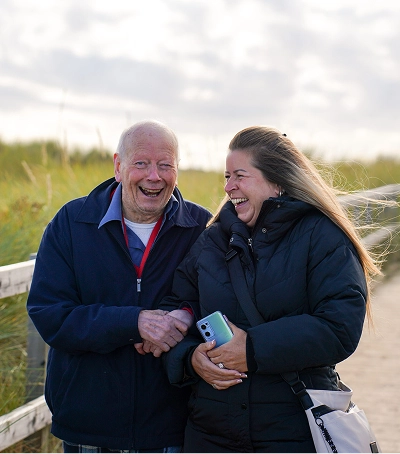
A common misconception we come across is that families need to wait until a loved one reaches a crisis point before seeking support. In reality, introducing care earlier can often make the transition much easier for everyone involved. In fact, research suggest that seeking help sooner can help maintain independence and improve quality of life – Social factors influencing utilization of home care in community-dwelling older adults: a scoping review | BMC Geriatrics | Springer Nature Link.
And that’s where our team here at Oran are here to help – our relationship-focused and person-centered approach is about far more than meeting day-to-day care needs. We aim to support both physical and mental wellbeing, helping people maintain their independence, confidence and the quality of life they have worked so hard to build.
It’s never too early to enquire. We encourage all who are considering if care, either for themselves or a loved one, could be beneficial to reach out and talk to one of our dedicated team members. We are here to help take the guess work out of homecare and welcome any and all questions.
What Is Homecare?
Homecare is professional support provided in the comfort of a person’s own home, helping them remain safe, independent and connected to the life they know. Depending on an individual’s needs, support can range from a little help around the house to assistance with personal care, medication, companionship or more specialist care.
For many people across East and Central Scotland, remaining at home is far preferable to moving into residential care. Familiar surroundings, treasured routines and staying close to friends, neighbours and family can have a significant positive impact on wellbeing.
At Oran, we find that staying at home offers a level of comfort and familiarity that helps reduce the stress that our clients may face in alternative living arrangements. This is not just our opinion; large scale systematic reviews have also noted that care at home is generally the preferred arrangement for care service users https://pmc.ncbi.nlm.nih.gov/articles/PMC3112399/.
7 Signs It May Be Time to Consider Home Care
- Everyday Tasks Are Becoming Difficult
You might notice dishes building up, unopened post, laundry left undone or your loved one beginning to avoid household jobs they once managed easily.
Often these changes happen gradually, making them easy to overlook until they begin affecting daily life.
- Personal Care Is Being Neglected
Changes in hygiene can sometimes indicate that everyday routines have become physically or mentally difficult.
Perhaps clothing isn’t being changed regularly, meals are being skipped or someone no longer feels confident showering safely.
Professional home carers can provide discreet, respectful assistance while preserving dignity and independence.
- A Loved One is Becoming More Forgetful
Everyone forgets things occasionally.
However, missed medication, unpaid bills, forgotten appointments or increasing confusion may indicate that additional support would be beneficial.
This doesn’t necessarily mean someone requires full-time care; often a few regular visits each week can make a significant difference.
- Family Members Are Becoming Full-Time Carers
One of the most overlooked signs is when family members begin sacrificing their own wellbeing.
If you’re constantly worrying, travelling long distances across Fife, Angus or Perthshire every day, cancelling plans or feeling exhausted, it may be time to share some of that responsibility.
Respite and home care exist to support families as much as the person receiving care.
Every month, we speak to concerned daughters, sons, siblings and parents who are trying to juggle work, children and visiting their loved one twice every day – we know firsthand how stressful it can be and we know how intimidating it can feel to seek help. Bust rest assured that we are here specifically to help in these situations, whether it is full time care or just a push in the right direction, we encourage anyone who may have concerns to get in touch.
- Recovering After a Hospital Stay
Many people require temporary support after leaving hospital.
Extra help with meals, mobility, medication or personal care can make recovery safer while reducing the likelihood of returning to hospital.
Scottish guidance encourages supporting people at home wherever appropriate following discharge.
- Loneliness Is Affecting Wellbeing
Home care isn’t only about physical support.
For many older adults, regular visits become an important source of conversation, companionship and reassurance.
Even one or two visits each week can have a positive impact on confidence and emotional wellbeing.
- You Simply Have a Feeling Something Has Changed
Sometimes there isn’t one obvious reason.
Instead, you notice lots of little things.
The house feels different.
Your parent seems quieter.
They’ve stopped enjoying hobbies.
They don’t seem quite themselves.
It’s okay to trust those instincts.
Often families contact us because something simply “doesn’t feel right.”
Home Care Doesn’t Mean Losing Independence
This is perhaps the biggest myth surrounding home care.
Many people worry that accepting help means giving up control.
In reality, the opposite is often true.
Professional care is designed to support independence, not replace it.
Whether someone needs help getting dressed in the morning, preparing meals or attending appointments, the right level of support can help them continue living in the home they love for much longer.
Our service offers flexible and tailored care for all service users ensuring that each user is catered to in a manner that suits their specific needs – we appreciate that when it comes to at home care, a one-size-fits-all approach rarely suits any individual. This is why we focus on person centered care placing human relationships at the center of our service.
How to Start the Conversation
Many families worry about upsetting a loved one by mentioning care.
Instead of focusing on what they can’t do, try talking about what they want to continue doing.
For example:
“I know how important it is for you to stay in your own home.”
“What if someone could help with the jobs you don’t enjoy?”
“This would help us worry a little less.”
Introducing care as a way of maintaining independence rather than taking it away often leads to much more positive conversations.
Supporting Families Across Eastern Scotland
Based in Fife, Oran Care help provide quality at home care throughout East and Central Scotland including Edinburgh, Fife, Perth, Dundee, The Lothians and Central Scotland including Falkirk, Clackmannanshire and Stirlingshire.
As a regulated Care Provider, we’re committed to raising the standard of care. We believe that everyone deserves to grow older with dignity and respect.
If you’ve started recognizing some of these signs, you’re not alone. Many families tell us they wished they’d asked for advice sooner.
Arranging home care isn’t about taking independence away. It’s about helping someone continue living safely, confidently and comfortably in the place they know best.
If you’re beginning to explore home care in Fife, Angus, Perth, Dundee or Falkirk, speaking to an experienced team can provide reassurance, answer your questions and help you understand the options available without any obligation.