

Is Live-In Care Right for Your Family?
A Guide for Scotland
For many older people, the thought of leaving their home can be difficult. After years of building memories, establishing routines and becoming part of a local community, moving into residential care isn’t always an appealing prospect.
However, when everyday tasks become more challenging or care needs increase, families can understandably begin to worry about whether living at home is still practical.
Fortunately, moving into a care home isn’t always the only option.
Live-in care in Scotland allows people to receive personalised support in their own homes, helping them maintain independence while receiving assistance with everyday activities.
But how does live-in care actually work, who is it suitable for, and what should families consider before arranging it?
What Is Live-In Care?
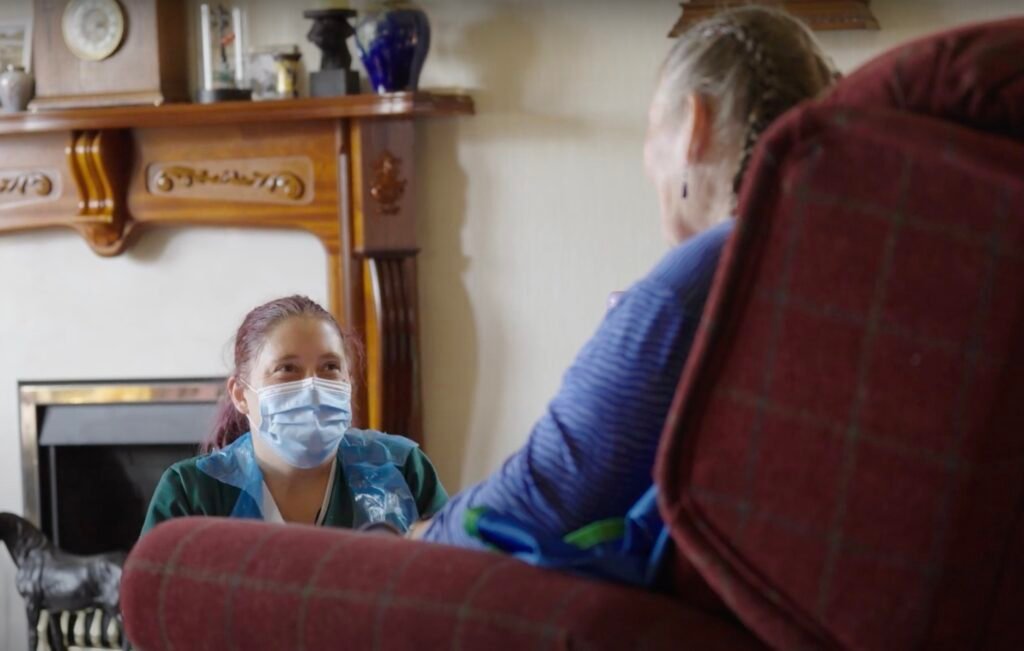
Live-in care is a form of home care where a professional carer lives in the person’s home, providing regular assistance and reassurance throughout the day.
Unlike hourly home care, where carers visit at agreed times, live-in care offers a more continuous presence within the home.
Support can include:
- Assistance with washing, dressing and personal hygiene
- Preparing meals and supporting nutrition
- Medication reminders and agreed medication support
- Help with mobility and everyday activities
- Light household tasks
- Companionship and social interaction
- Supporting established routines and personal interests
- Assistance attending appointments or community activities
The exact responsibilities of a live-in carer depend on the individual’s needs and the agreed care plan.
It’s important to understand that live-in care doesn’t automatically mean one carer provides uninterrupted, around-the-clock assistance. Carers require appropriate rest and breaks, and additional arrangements may be necessary for regular overnight support.
When Should You Consider Live-In Care?
There isn’t one particular point at which someone suddenly needs live-in care.
For many families, the decision develops gradually as a loved one’s needs change.
Someone who previously managed independently may begin struggling with daily routines, become less confident moving around their home or require more frequent assistance than occasional care visits can provide.
For some families, hourly home care can be a useful starting point, providing assistance with everyday tasks before more comprehensive support becomes necessary.
Some common circumstances where live-in care may be worth considering include:
Increasing personal care needs: Someone may require regular assistance with dressing, bathing, meals or other daily activities.
Reduced mobility: Moving safely around the home may become more difficult, particularly following illness or injury.
Dementia or memory difficulties: Familiar surroundings and consistent routines can be particularly important for someone living with dementia.
Living alone: Families may feel that more regular companionship and practical assistance would improve their loved one’s quality of life.
Changing care requirements: Existing hourly care visits may no longer provide sufficient support throughout the day.
Recognising these changes early can give families more time to explore their options without feeling pressured into making a decision.
The Benefits of Remaining at Home
One of the main advantages of live-in care is that people can continue living in familiar surroundings.
For many older people, home represents far more than simply somewhere to live. It’s where they have built their routines, relationships and sense of independence.
Remaining at home can allow someone to continue enjoying their own garden, seeing familiar neighbours, keeping pets and maintaining everyday habits.
Live-in care also provides the opportunity for more personalised support.
Rather than adapting entirely to a new environment, care can be planned around the individual’s preferences, routines and interests.
For people living with dementia, maintaining familiar surroundings and routines may also help reduce some of the confusion associated with changes in their environment.
You can read more about this in our guide to dementia care and support at home.
Is Live-In Care Suitable for Everyone?
Although live-in care can be an excellent option for many families, it won’t necessarily be appropriate for everyone.
Some individuals may require frequent nursing interventions, continuous supervision or support from multiple carers at particular times.
Others may benefit from the social opportunities, specialist facilities or clinical support available in residential or nursing care settings.
Individuals with more demanding care requirements may also benefit from exploring Oran Care’s complex care services, which provide tailored support for people living with complex health conditions and disabilities.
The suitability of live-in care depends on several factors, including the person’s health, mobility, home environment and the level of assistance required.
According to Care Information Scotland, a care home may be the most appropriate option when someone’s needs cannot be adequately met at home.
For this reason, arranging an assessment and discussing the available options is an important step before making any long-term decisions.
How Much Does Live-In Care Cost in Scotland?
Cost is understandably one of the biggest considerations when arranging care.
Live-in care costs depend on the level of assistance required, the complexity of someone’s needs and whether additional carers or overnight support are necessary.
At Oran Care, live-in care packages start from £1,500 per week, with costs varying according to individual circumstances.
Although this represents a significant financial commitment, families should consider the full range of costs and benefits when comparing live-in care with residential care.
For couples who both require support, live-in care may be particularly worth exploring, as it can allow both people to remain together in their own home.
Financial assistance may also be available depending on eligibility and assessed care needs.
The Scottish Government’s guidance on care at home explains how local authorities assess care requirements and what support may be available.
How Do You Arrange Live-In Care?
Arranging live-in care may initially seem complicated, particularly if your family hasn’t previously needed professional care.
However, the process generally begins with a conversation about the person’s circumstances and what they would like to achieve.
An initial assessment can help establish their care needs, personal preferences and whether the home environment is suitable.
From there, a personalised care plan can be developed, outlining the support required and how it will be delivered.
Finding the right carer is also an important consideration.
Beyond professional skills and experience, personality, communication and shared interests can make a real difference when someone is welcoming a carer into their home.
At Oran Care, we place particular importance on matching individuals with suitable carers, helping to build positive, trusting relationships.
Live-In Care With Oran Care
At Oran Care, we provide live-in care across Scotland, helping individuals remain independent in the comfort of their own homes.
Our approach focuses on providing personalised, relationship-based support that reflects each person’s needs, preferences and daily routines.
We work with individuals and families to understand the level of assistance required, carefully select suitable carers and develop care arrangements that support independence and quality of life.
Whether someone requires assistance with everyday activities, companionship or more extensive personal care, our team can discuss the options available.
Exploring Your Care Options?
Deciding how best to support an older relative can be challenging, particularly when their needs are changing.
However, understanding the available options can make the process considerably easier.
Live-in care offers many families the opportunity to balance professional support with the familiarity, independence and comfort of remaining at home.
If you’re considering live-in care for yourself or a loved one, our team would be happy to discuss your circumstances and explain the options available. Contact Oran Care for a no-obligation conversation about finding the right support.